Creating Unforgettable Customer Experiences
Increase Visits, Revenue and Brand Ambassadors
The Veneto Collaboratory
To thrive in today’s highly-competitive global marketplace, organizations must design, develop and consistently deliver unforgettable customer experiences that create loyalty and life-long value.
Veneto Collaboratory partners with organizations in the Tourism, Hospitality, Retail and Service related industries to create competitive advantage through the design, development and delivery of unforgettable customer experiences.
Experience Co-Labs
Veneto Co-Labs are unique events designed for discovery, development and training through intensive collaboration. Each Lab is an opportunity to create new skills and strategies that convert to new business opportunities.
Every Co-Lab is an immersive experience organized around a unique subject area. Co-Labs combine innovative thinking, hands-on learning and mobile workshops to create an unforgettable experience.
Our Services
Design
Studio
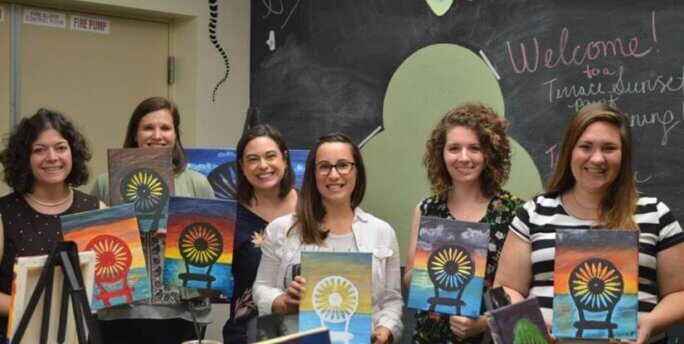
The Experience Design Studio™ Academy is an innovative program for destinations, travel attractions and businesses to develop unforgettable revenue-producing, market-ready tourism experiences for their organization or business.
Learn More
Consulting
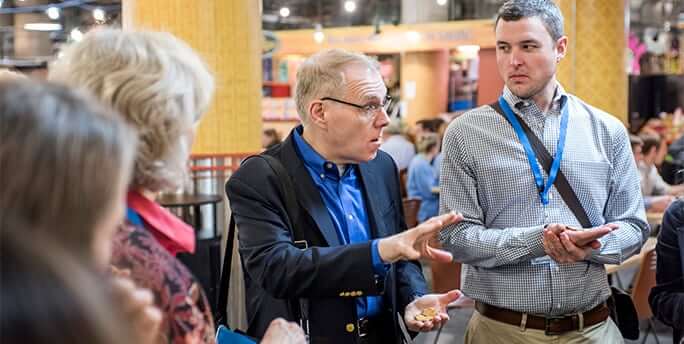
Veneto Collaboratory creates customized consulting solutions that enable organizations to identify new business opportunities, develop strategies, leverage existing assets and generate sustainable results. Learn More
Speaking
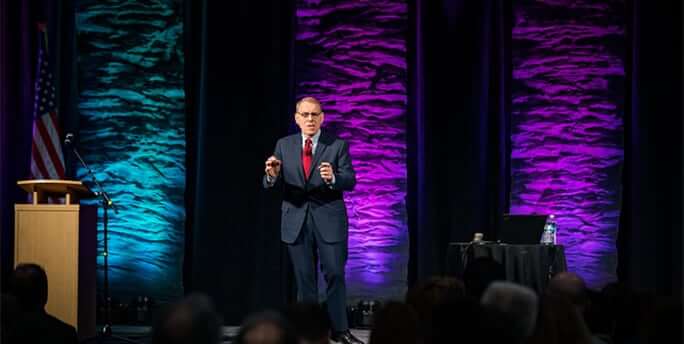
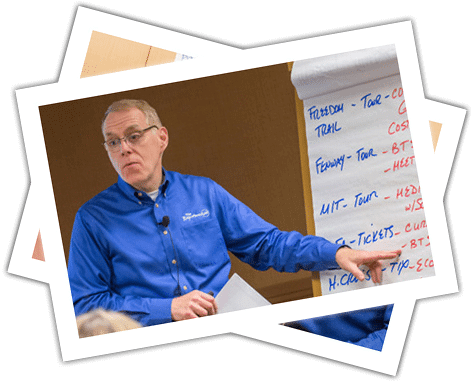
Veneto Collaboratory delivers engaging, entertaining and thought-provoking presentations. They are high-energy, content-rich and provide sustainable business strategies. Offerings include keynotes, breakout sessions, seminars and workshops. Learn More
Our Work
Scottsdale
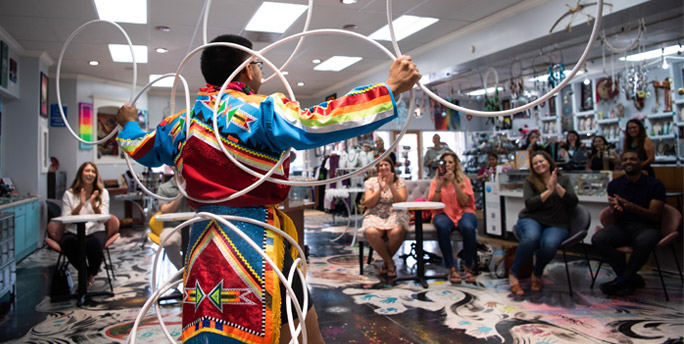
Veneto Collaboratory was tasked with innovating Scottsdale’s tourism landscape with new experiences that assist tourism attractions as well as local businesses on the road to recovery. Learn More
Louisville
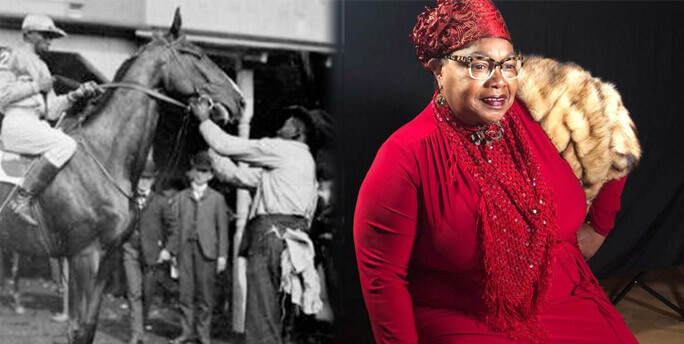
Veneto Collaboratory was engaged to develop multicultural experiences that showcase the history, heritage, and contributions of Louisville’s Black community to drive visitation to the city. Learn More
Charleston
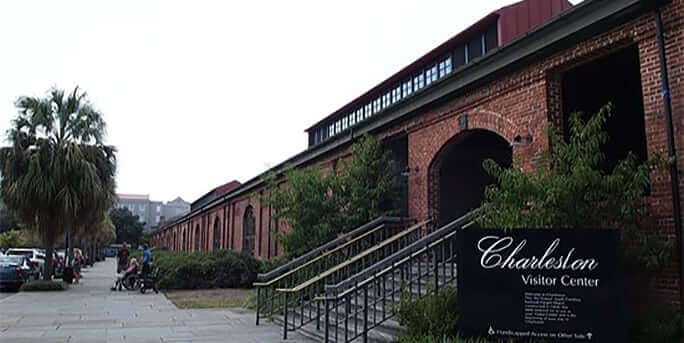
Veneto Collaboratory was asked to identify short- and long-term enhancements as well as strategic changes at the Charleston Area CVB to improve the Visitor Center experience.Learn More
Blog Posts

Meet Destination Development and Placebranding Innovators at City Nation Place Americas 2024
Don’t miss the opportunity to join Veneto Collaboratory in Houston, Texas May 14-15 for City Nation Place Americas 2024. Industry colleagues receive a special discount. Read more >

Veneto Collaboratory Announces Experience Lab 2024
The Ultimate Destination Development Experience: Announcing the 2024 Experience Lab, October 28-30, 2024, in Scottsdale, Arizona. Read more >
Joe Veneto Featured on ‘Future of Tourism’ Podcast
Joe Veneto was a guest on a recent episode of... Read more >
Upcoming Events
City Nation Place Americas
May 14 - May 15Destinations International Annual Convention
June 15 - June 19Travel and Tourism College 2024
June 25 - June 27